

Real Estate Terms to Know
Buying a home comes with its own vocabulary. Here's a quick guide to some of the most common terms you'll encounter throughout the process.
APPRAISAL
An independent professional opinion of a property's value, often required by a mortgage lender to help determine whether the property supports the loan amount.
CLOSING
The final stage of a real estate transaction when documents are signed, funds are transferred, and ownership is officially transferred to the buyer.
CLOSING COSTS
Expenses associated with purchasing a home beyond the down payment. These may include lender fees, title insurance, appraisal fees, prepaid taxes, and homeowners insurance.
COMPARATIVE MARKET ANALYSIS (CMA)
An evaluation of recent sales, competing listings, and market conditions used by real estate professionals to help estimate a property's market value.
CONTINGENCY
A contract provision that makes certain obligations dependent on specified conditions or events, such as financing or the sale of another property.
DOWN PAYMENT
The portion of the purchase price paid upfront by the buyer rather than financed through a mortgage.
EARNEST MONEY
A deposit made by the buyer after going under contract to demonstrate good faith. The funds are typically held by an escrow holder and credited toward the purchase at closing. Whether the deposit is refundable depends on the contract terms and circumstances.
EQUITY
The difference between a property's current market value and the amount owed against it. For example, a home worth $400,000 with a $300,000 mortgage balance has approximately $100,000 in equity.
ESCROW ACCOUNT
An account used by a mortgage servicer to collect and hold funds for property taxes and homeowners insurance, which are typically paid on the homeowner's behalf when due.
FIXED-RATE MORTGAGE
A home loan with an interest rate that remains unchanged throughout the loan term. Principal and interest payments generally stay the same, although taxes and insurance may change.
HOME INSPECTION
A professional evaluation of a property's visible and accessible systems and components. An inspection can help identify potential concerns, maintenance needs, and recommended further evaluations.
INSPECTION OBJECTION
A buyer's written notice identifying property conditions they want the seller to address under the terms of the contract. In Colorado, inspection objection and termination rights are subject to specific contractual deadlines.
LOAN PRE-APPROVAL
A lender's preliminary evaluation of a buyer's finances, credit, and borrowing qualifications to estimate how much they may be eligible to finance. Pre-approval is not a guarantee of final loan approval.
PRINCIPAL & INTEREST
Principal is the amount borrowed through a mortgage. Interest is the cost of borrowing that money. Both are typically included in your monthly mortgage payment.
PRIVATE MORTGAGE INSURANCE (PMI)
Insurance that protects a mortgage lender if a borrower defaults. PMI is commonly required on conventional loans with down payments below 20%, subject to loan-specific requirements.
SELLER CONCESSIONS
Costs the seller agrees to pay on the buyer's behalf, often toward allowable closing costs, prepaid expenses, or other negotiated expenses. Concessions may be limited by the buyer's loan program.
TITLE COMMITMENT
A document issued by a title insurance company outlining the requirements, exceptions, and conditions associated with issuing title insurance for a property.
TITLE INSURANCE
Insurance that protects against certain financial losses resulting from covered title defects. A lender's policy protects the lender, while an owner's policy protects the homeowner's ownership interest, subject to the policy's terms and exclusions.
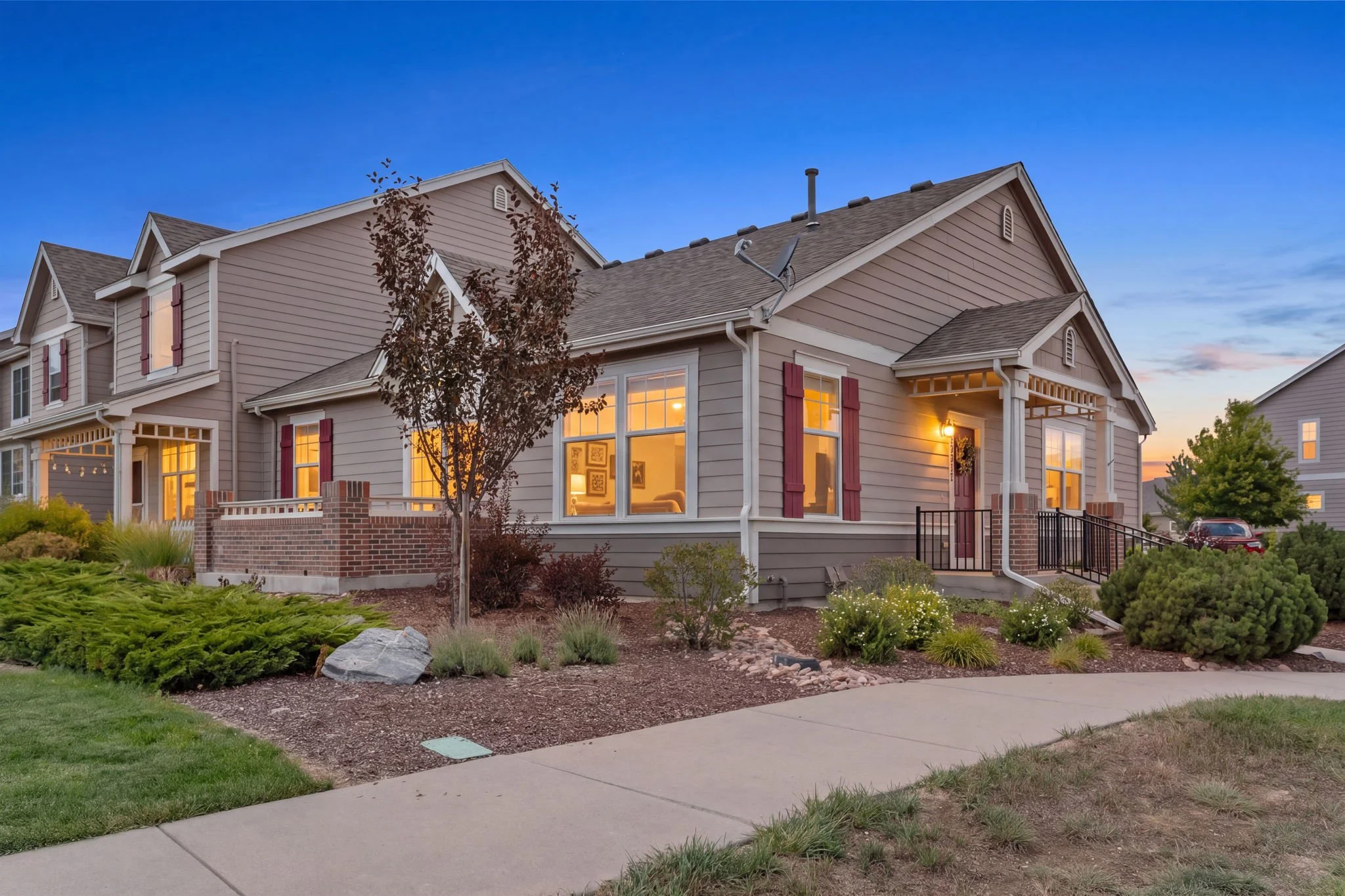
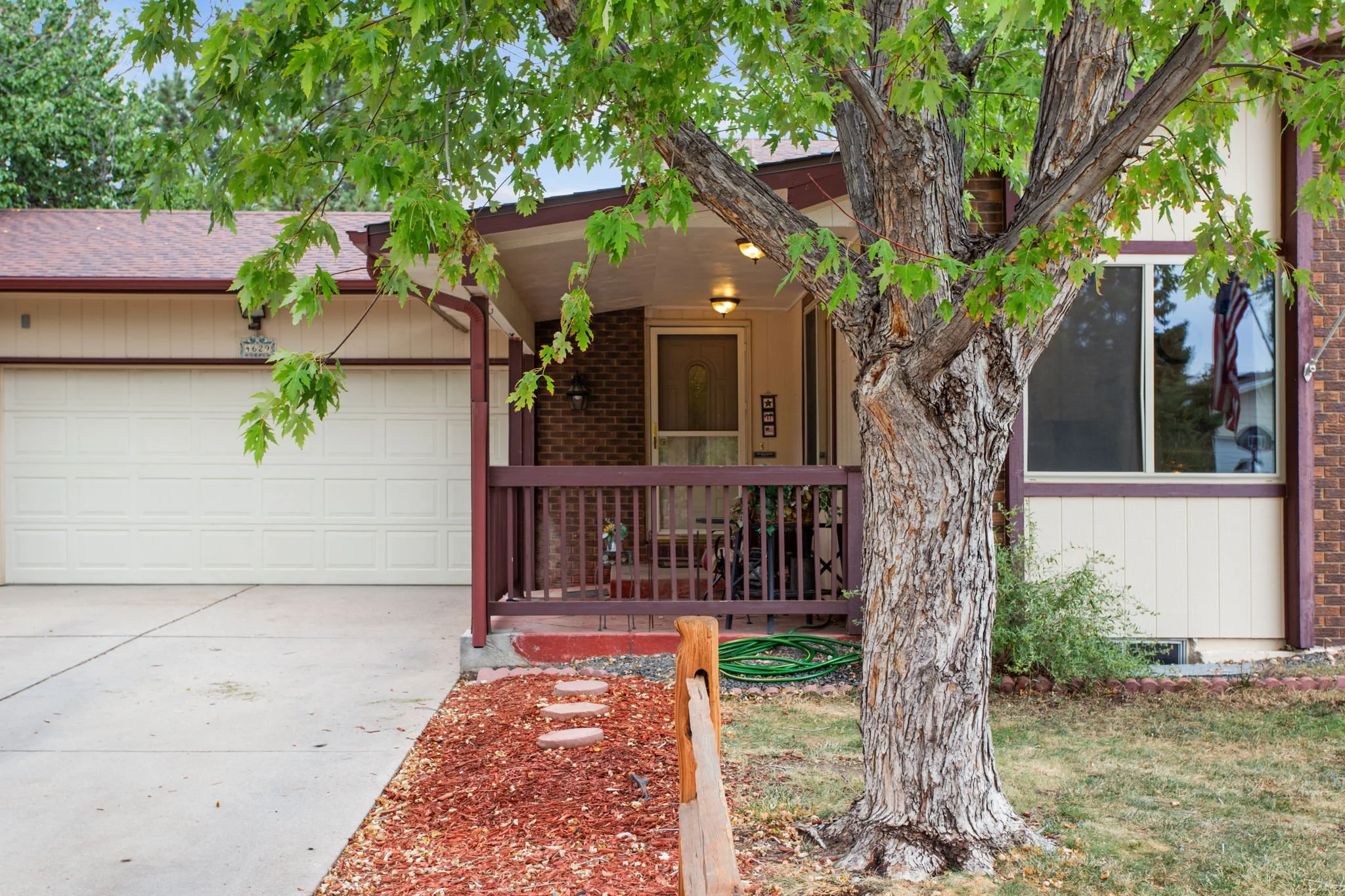








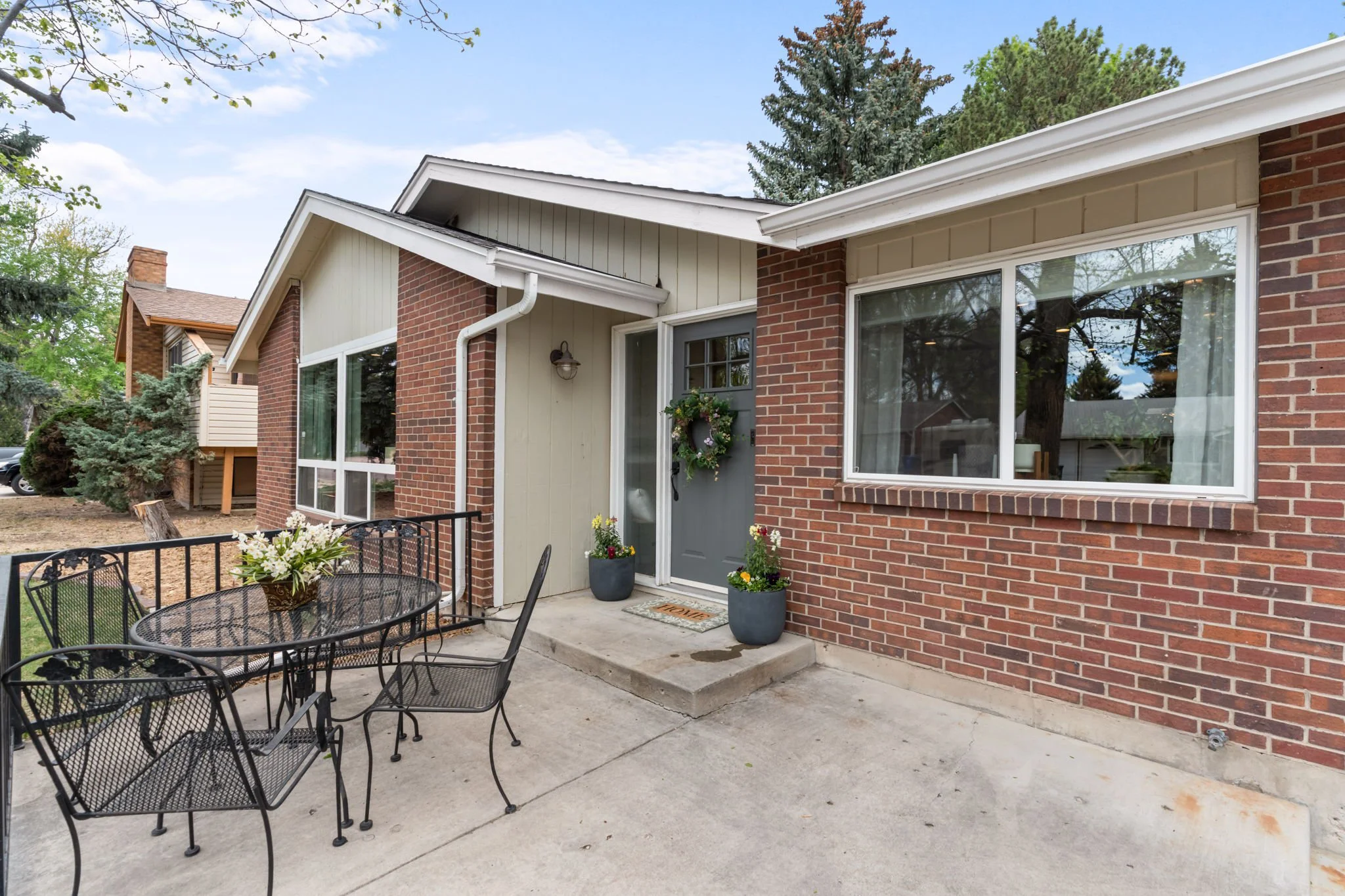



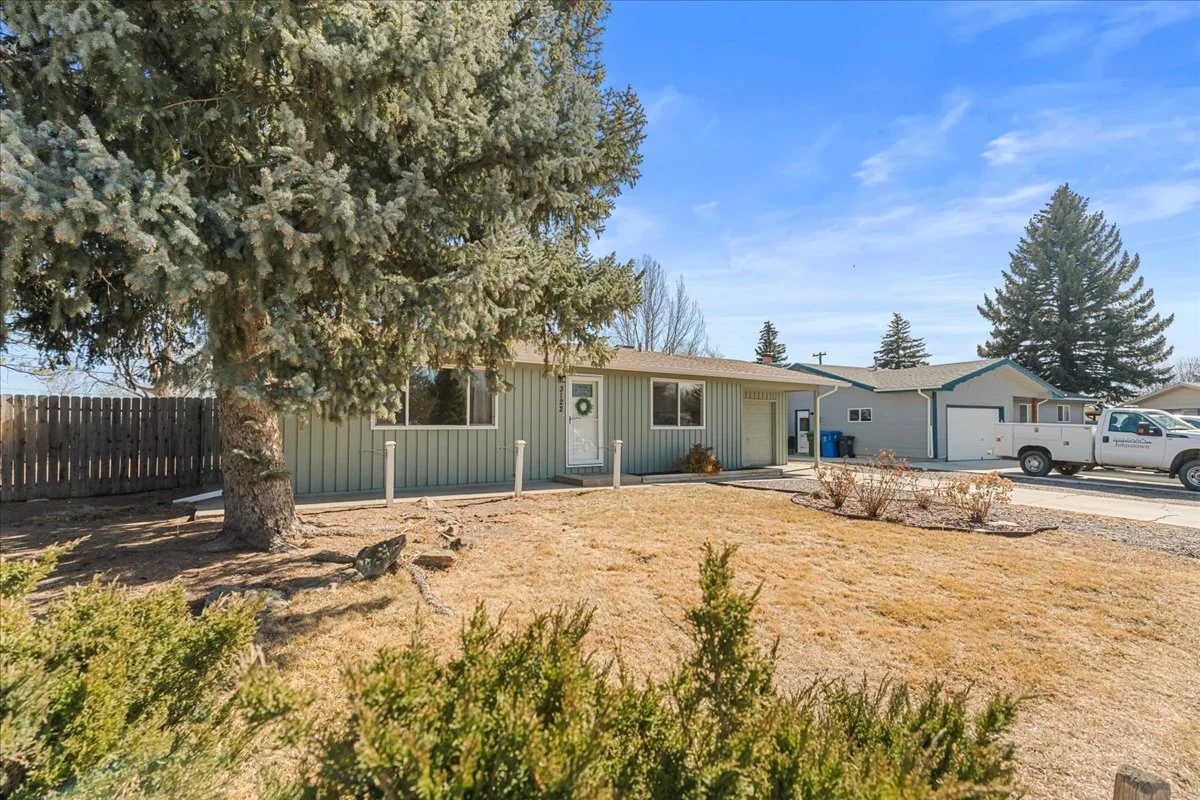
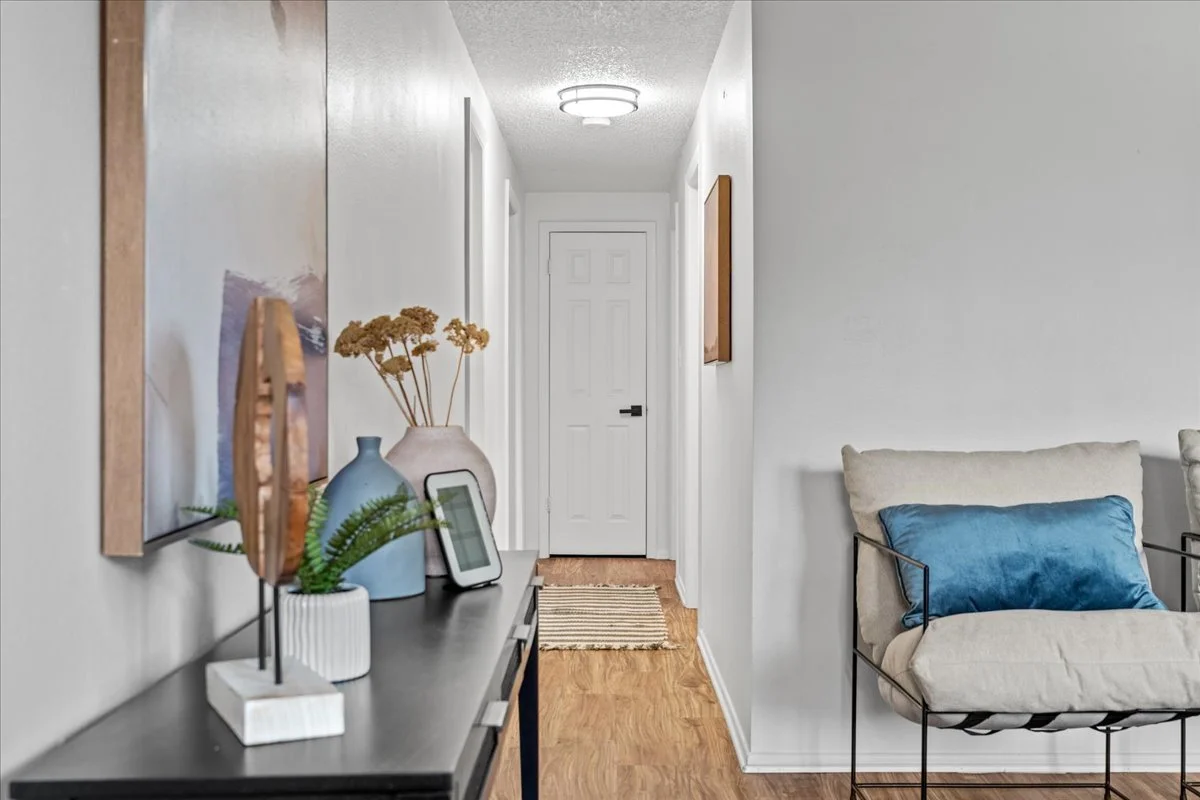




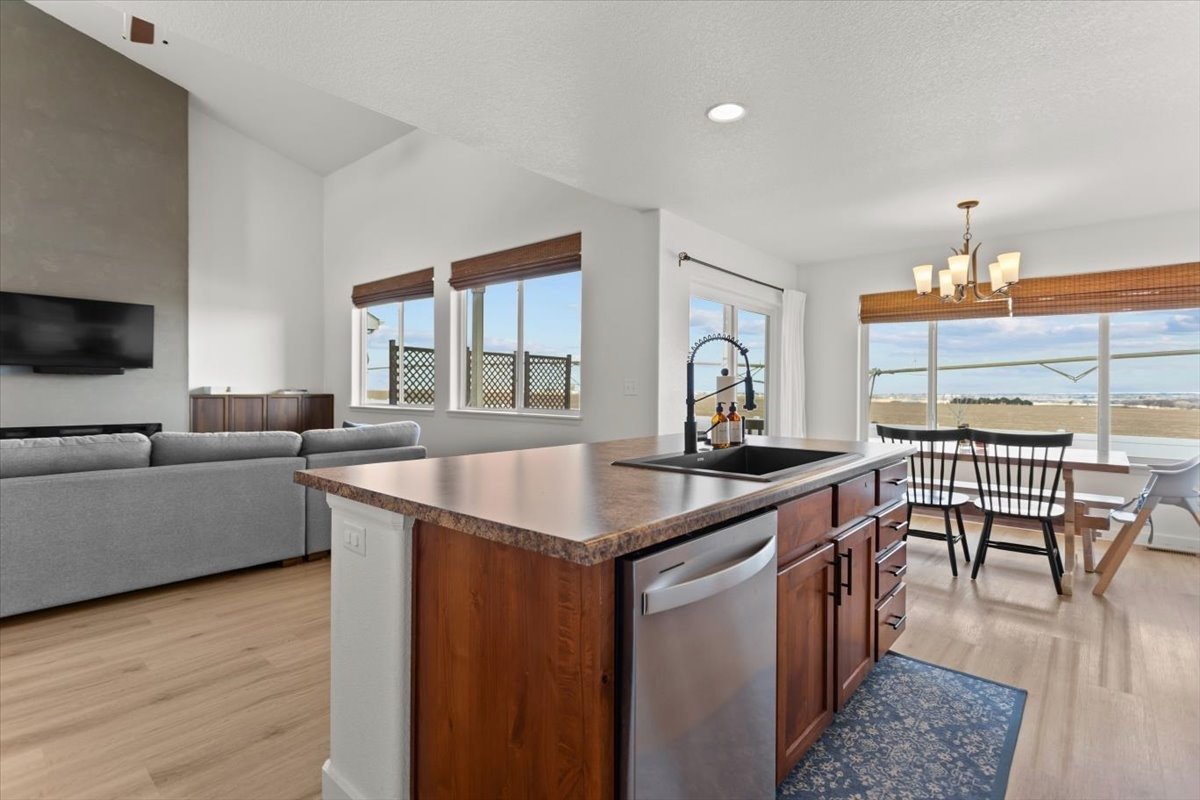

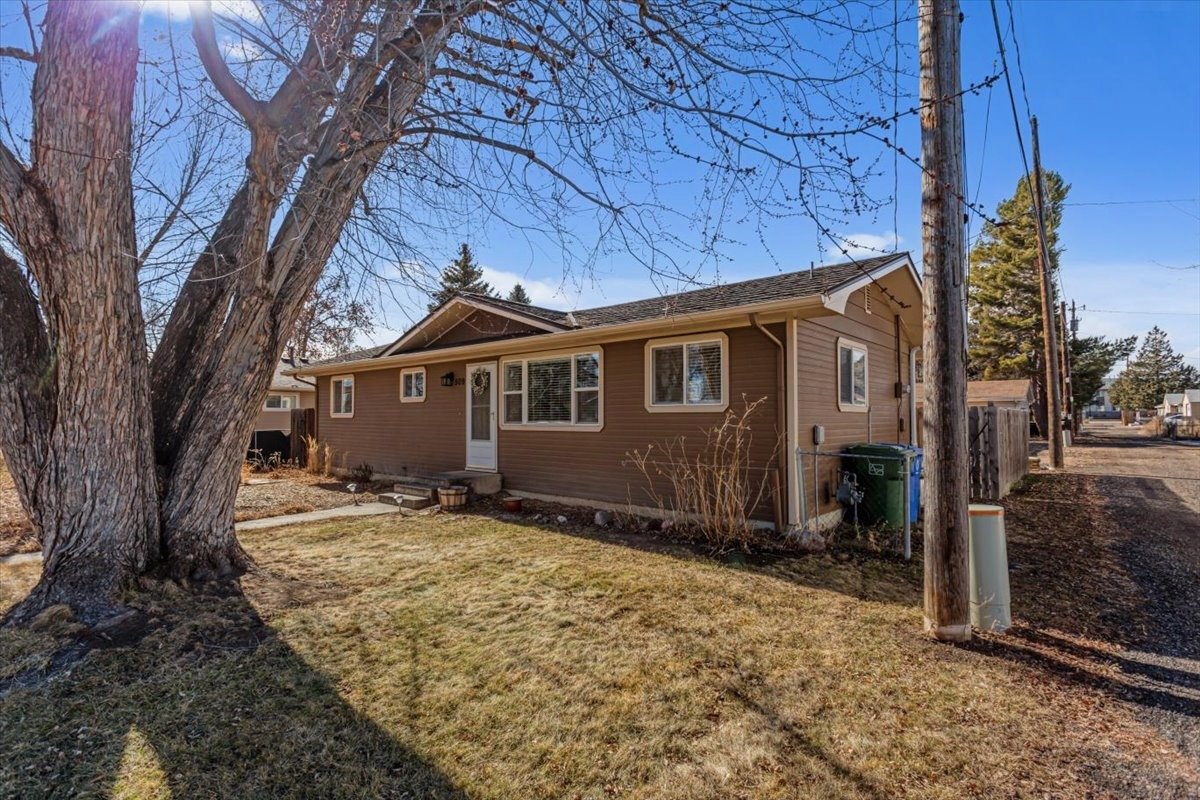
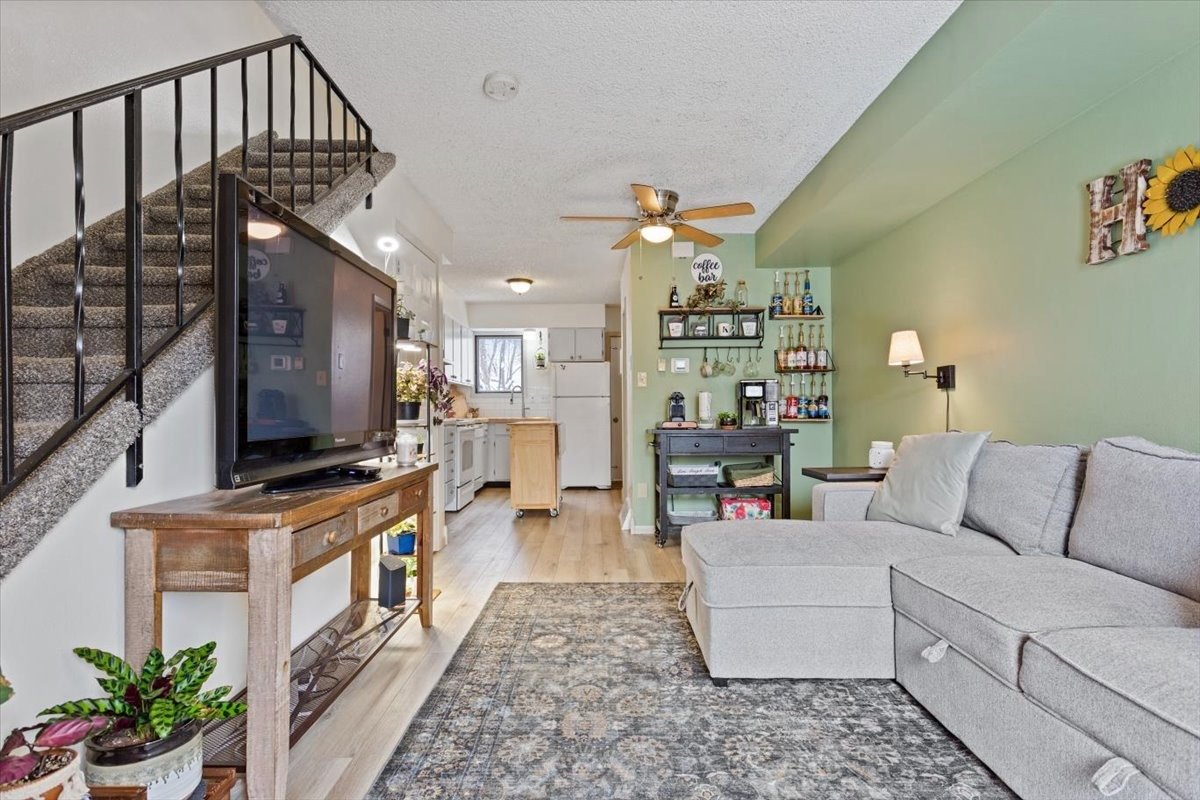

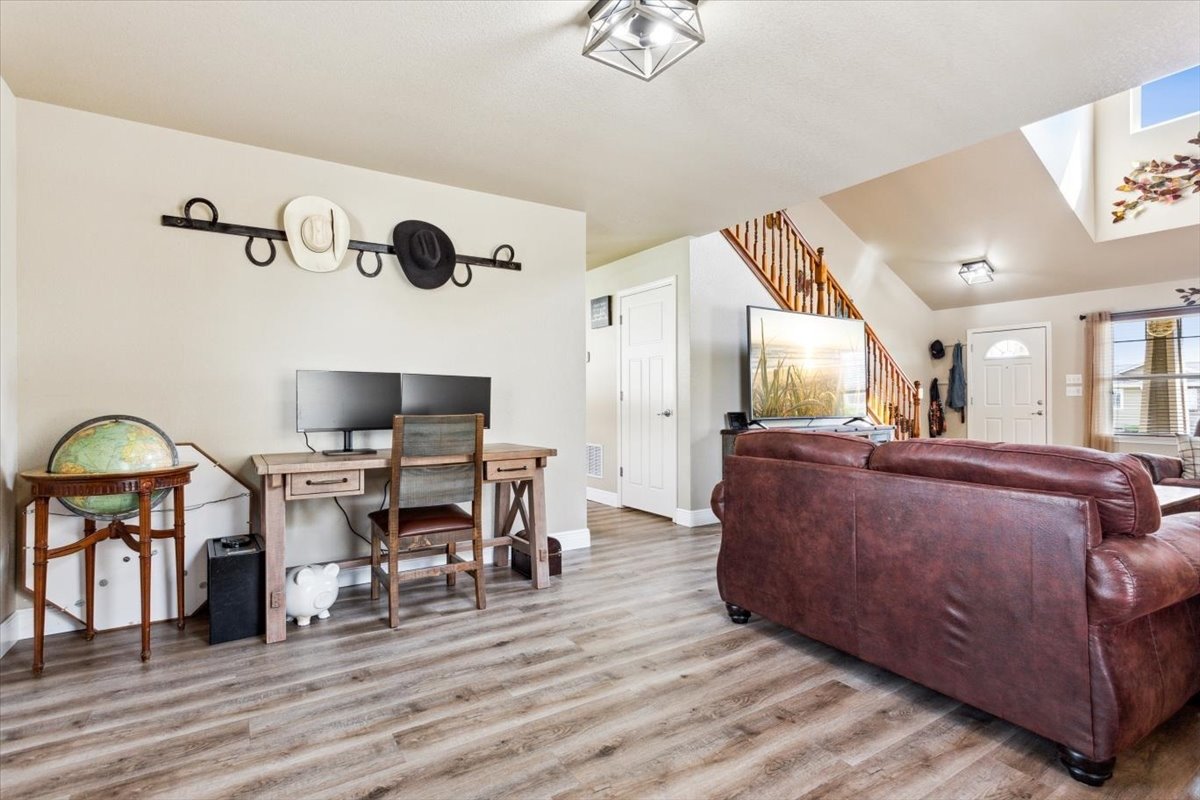









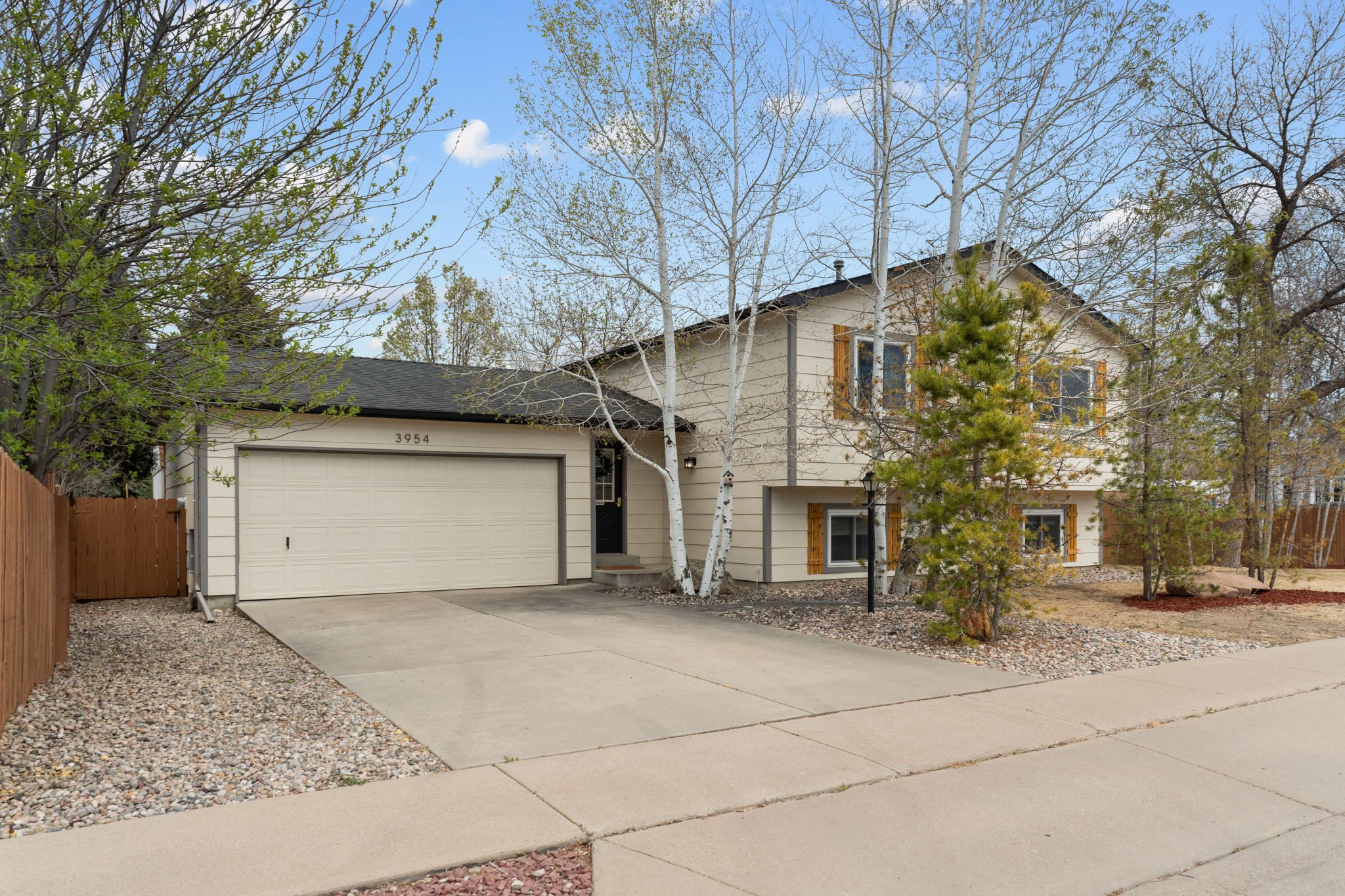
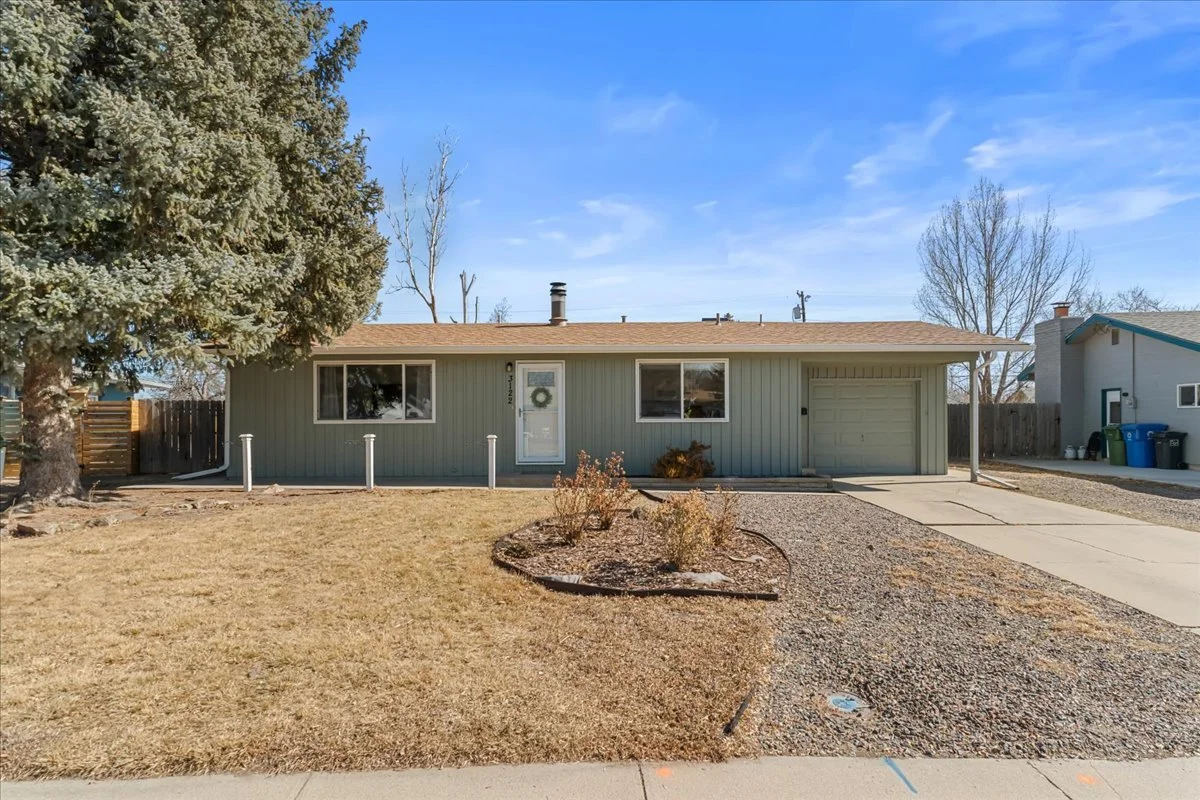
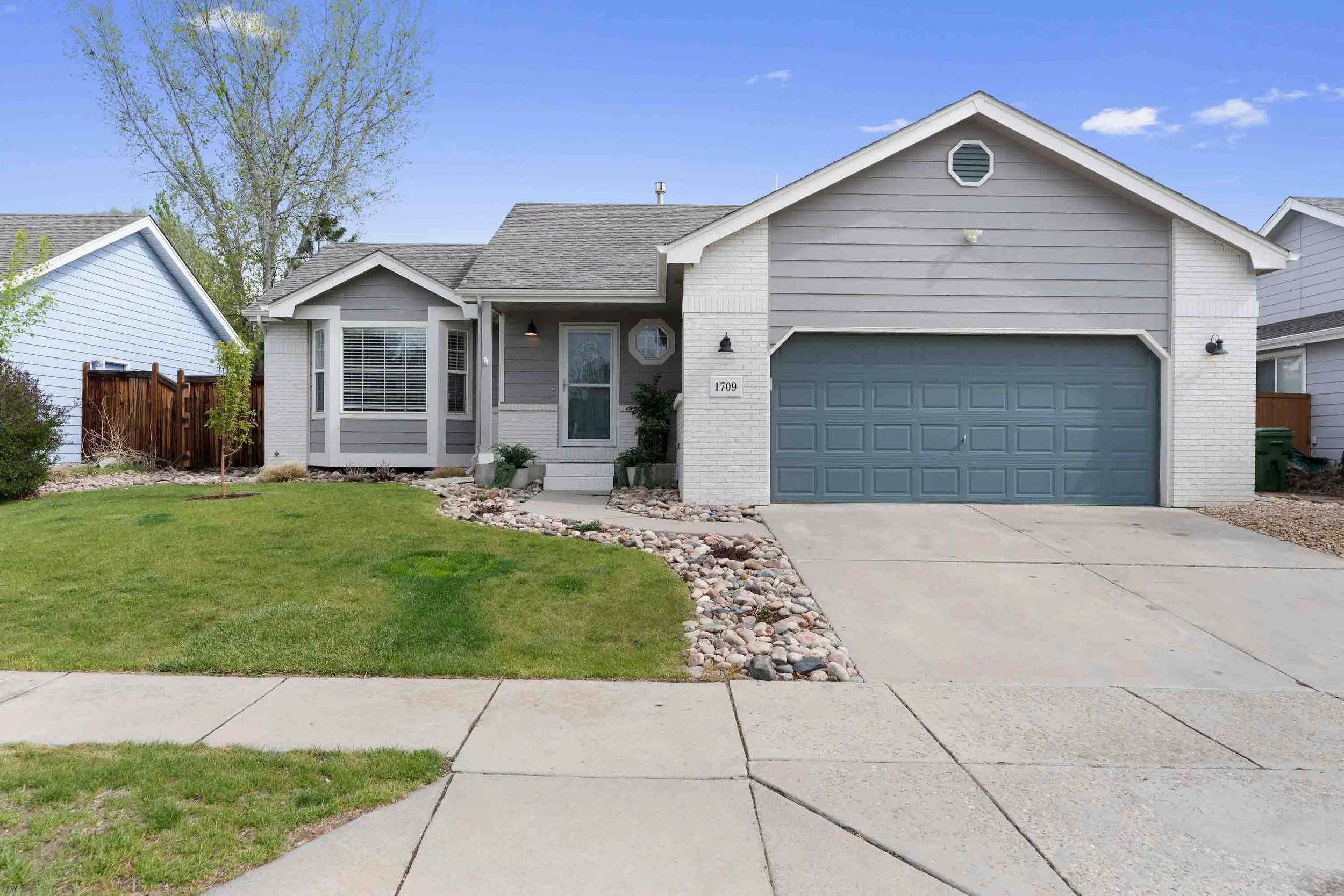
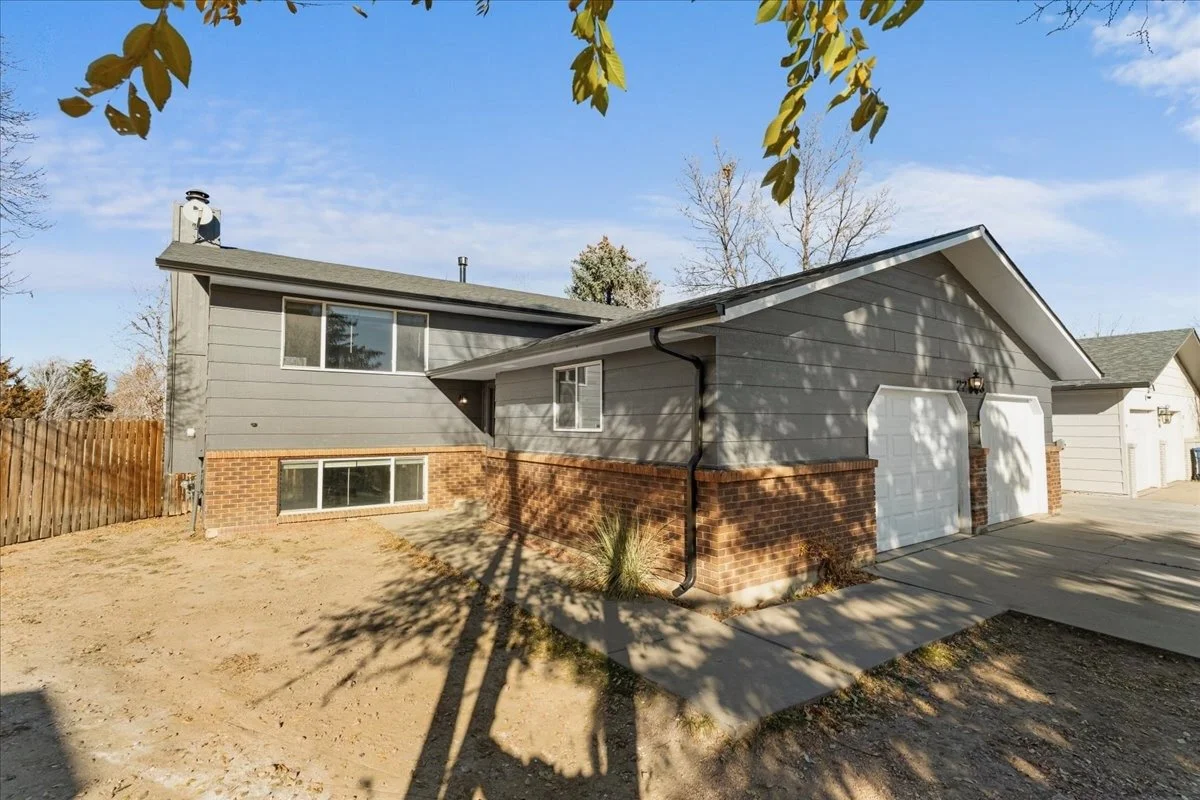

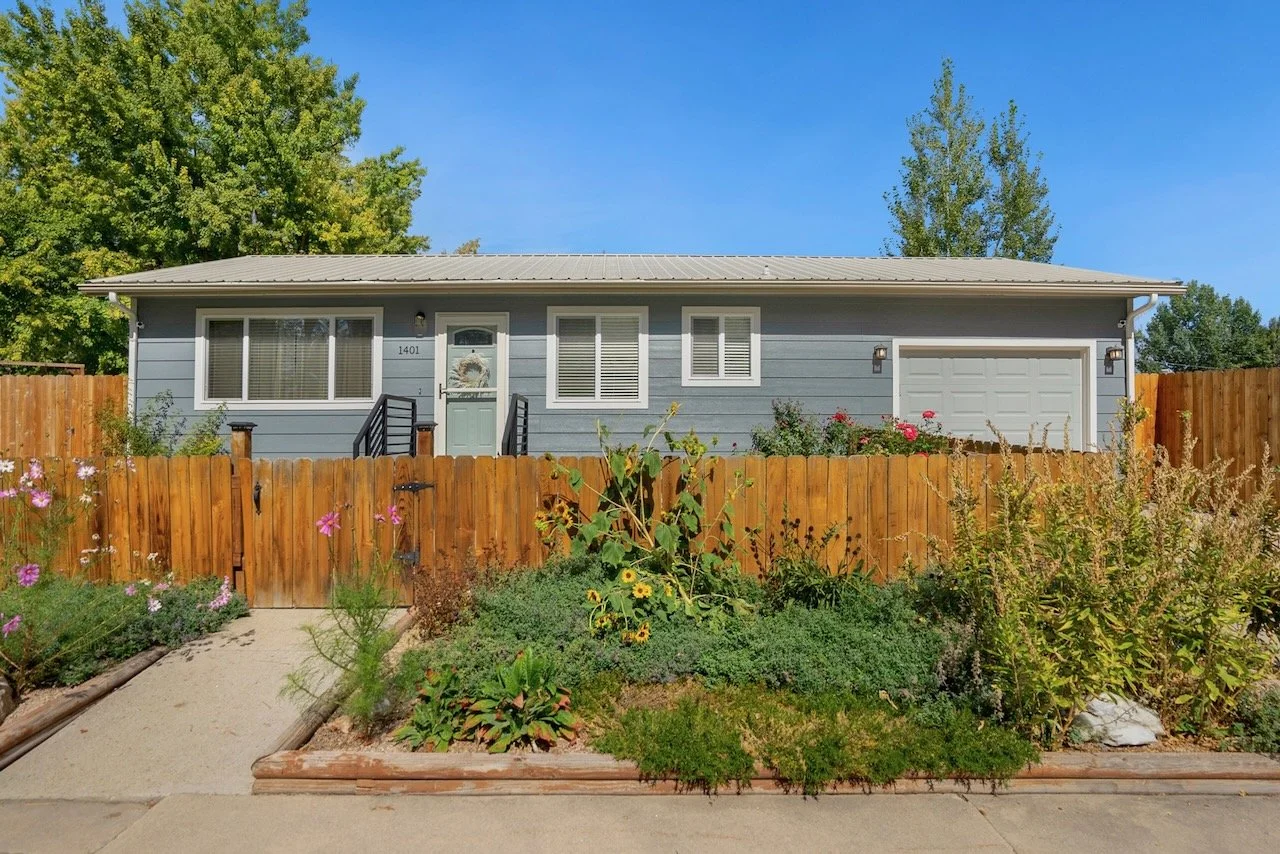






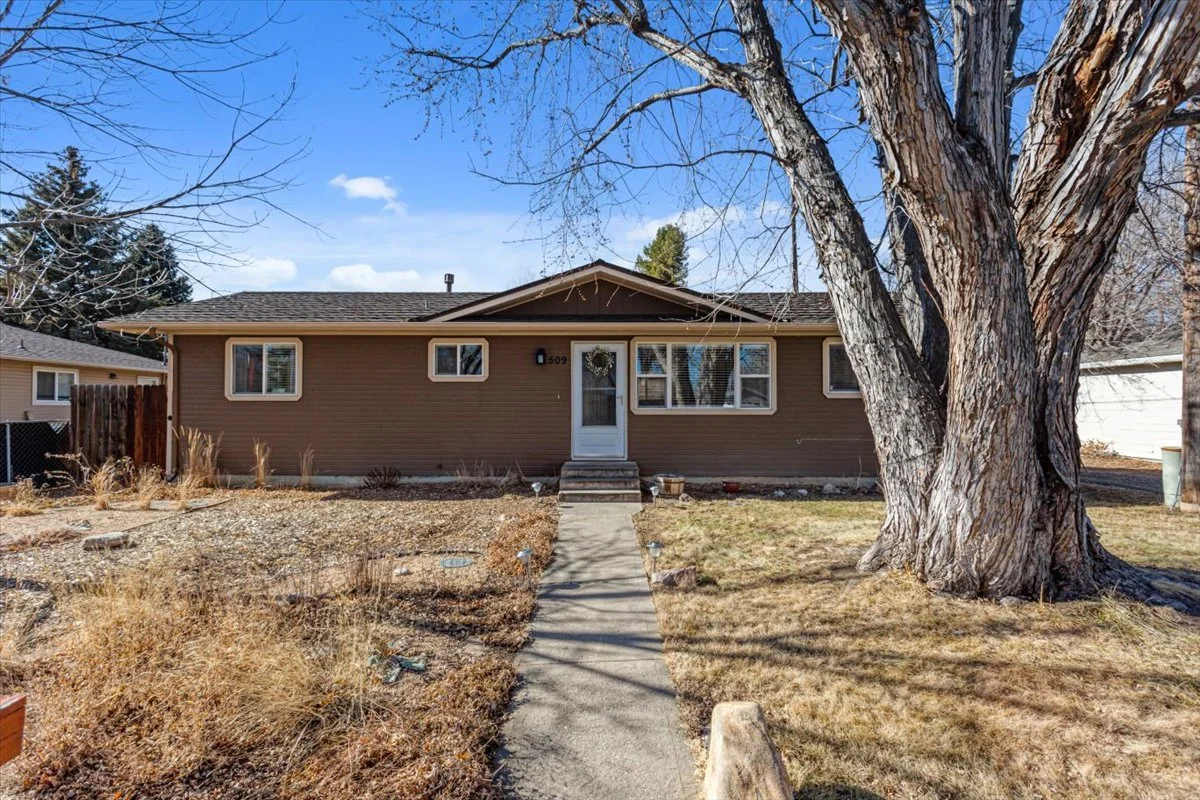





Come live the homestead dream! This farmhouse-style property on approximately 2.3 acres with open zoning, offers flexibility for business use, hobby farming, or just good ole' country living. This property includes not one, not two, but THREE detached garage/shop outbuildings.